Paddy Rice Self-Sufficiency: Malaysia’s Production Goals
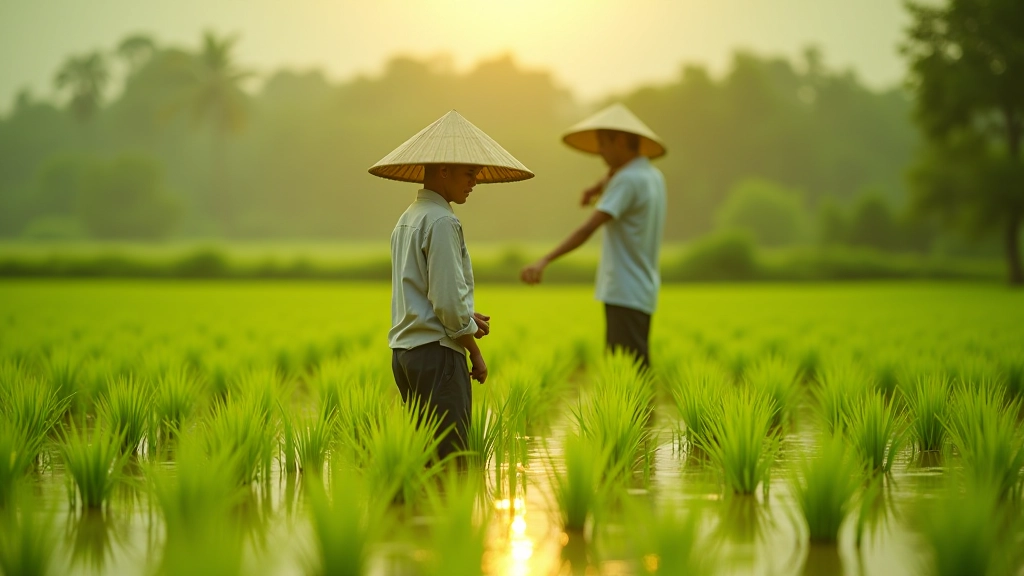
Malaysia targets higher rice self-sufficiency through improved farming techniques, irrigation modernisation, and seed development programs designed to boost yields.
Read MoreTechnology and infrastructure improvements are transforming how Malaysia’s food moves from farms to markets. We explore supply chain innovations and modernization projects reshaping agricultural commerce.

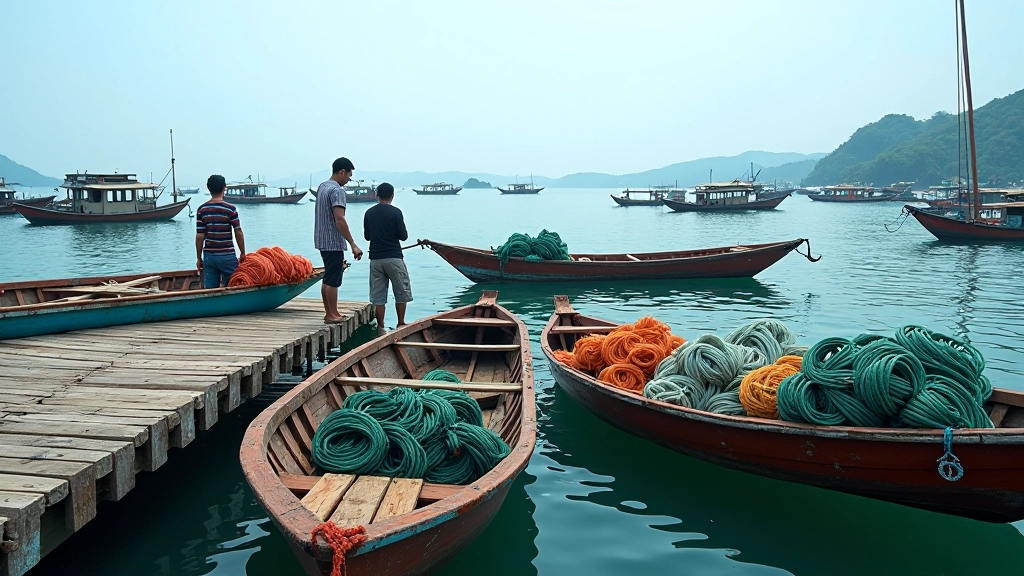
Malaysia’s food system faces real challenges. Getting rice from paddies to tables, fish from boats to markets — it’s complex work. The gap between production and consumption requires better systems, smarter logistics, and investment in cold chains that actually work.
Government initiatives and private sector partnerships are tackling these problems head-on. We’re seeing warehousing upgrades, transport optimization, and digital tracking that’s changing how efficiently food moves through the country. It’s not glamorous work, but it’s the foundation of food security.
Temperature-controlled storage isn’t optional anymore. It’s essential. Malaysia’s investing in regional cold storage facilities — we’re talking temperature zones from -18C for frozen fish to +4C for fresh produce. These aren’t small warehouses either. Some new facilities handle 2,000-3,000 tonnes daily.
The difference this makes is substantial. Spoilage rates drop. Product shelf life extends. Farmers can negotiate better prices because quality’s guaranteed. It’s a straightforward equation — better preservation means less waste, higher margins, and more reliable supply.
But here’s the reality: maintaining these systems costs money. Electricity, maintenance, skilled operators — you need all of it. That’s why government support matters. Subsidies on energy and technical training make these operations economically viable for small-to-medium traders.

Knowing where your food comes from isn’t just nice — it’s increasingly required. Malaysia’s rolling out blockchain and QR code tracking systems that let consumers trace products back to farms. Paddies to packaging to point-of-sale, all documented.
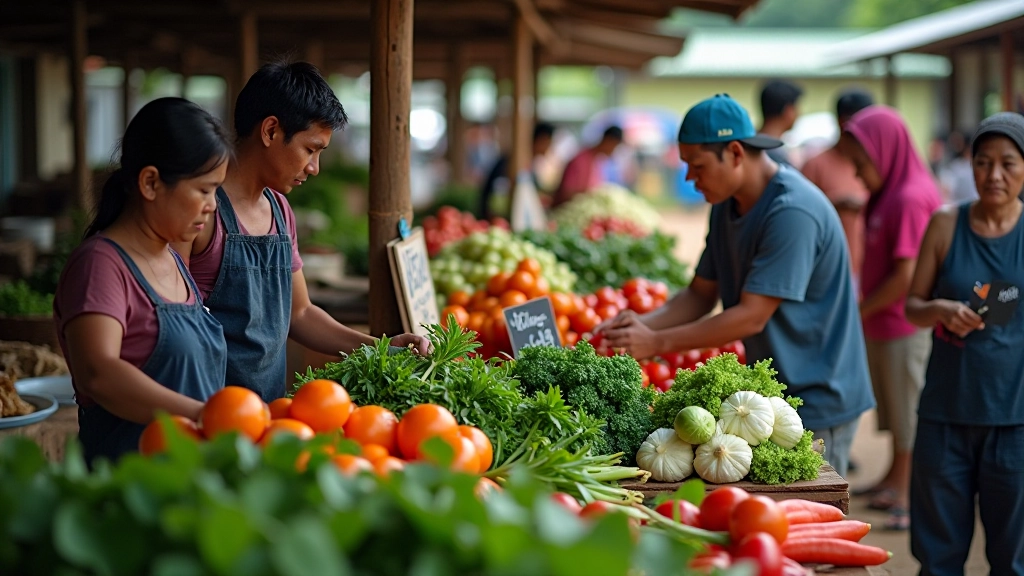
This creates accountability. Farmers can prove quality. Retailers can verify authenticity. Consumers get confidence. It’s not perfect yet — adoption rates among small farmers are still climbing. But platforms connecting producer cooperatives to wholesale markets are showing real results. Transaction costs drop. Middlemen get squeezed out. Direct relationships form.
The data collected also reveals patterns. Which routes are slowest? Where do temperature fluctuations happen? Which products spoil most frequently? This intelligence drives continuous improvement. You can’t optimize what you don’t measure.
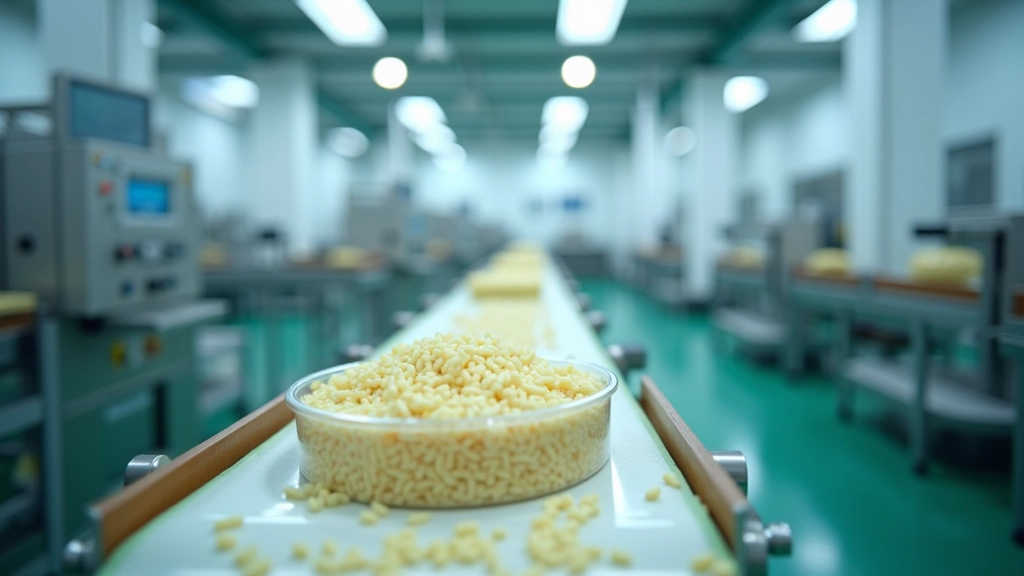
Selling raw paddy rice doesn’t maximize value. Processing it into milled rice, rice flour, or specialty products does. Malaysia’s upgrading milling facilities with modern equipment — dehullers, polishers, sorters that reduce breakage rates from 8-10% down to 3-4%.
Similar upgrades are happening in fisheries. Canning facilities, frozen fillet operations, surimi production — these add layers of value. A kilogram of fresh fish might sell for RM8-10. Processed into specialty products? You’re looking at RM30-50 per kilogram. That difference ripples through the economy.
New processing centers are being established in strategic locations — Kedah for rice, Terengganu for seafood, Johor for mixed agricultural products. They’re equipped with quality control labs, certified training facilities, and export-grade standards. It’s infrastructure that didn’t exist five years ago.
Getting food to market fast matters. Malaysia’s investing in refrigerated transport networks — vehicles equipped with temperature monitoring that can maintain precise conditions across highways. Newer fleets use route optimization software that cuts delivery times by 15-20% compared to manual routing.
Consolidation centers are emerging at key nodes. Instead of 50 small shipments going individually to Kuala Lumpur, they’re combined into 5-10 efficient loads. Costs drop. Emissions drop. Freshness improves because products spend less time in transit.
The partnership between government and logistics companies is making this work. Port facilities are getting upgraded. Handling equipment is being modernized. Staff training programs ensure careful treatment of perishables. It’s coordinated investment that’s yielding measurable improvements in delivery times and product quality.
Modern cold storage and processing facilities require significant capital. Small farmers can’t fund these alone. Government subsidies help, but they’re not universal. Access depends on location and cooperative membership.
Operating modern equipment requires training. Not everyone has access to certification programs. Technical expertise for maintenance is concentrated in urban areas. Rural facilities sometimes struggle finding qualified staff.
Malaysia’s farming is fragmented. Small landholdings mean individual farmers can’t meet bulk order requirements. Aggregation through cooperatives helps, but coordination isn’t always smooth. Consolidation takes time and trust-building.
Older traders resist digital systems. Blockchain tracking and QR codes feel foreign to farmers accustomed to handshake deals. Education and demonstration projects are slowly changing mindsets, but cultural resistance persists.
We’re seeing real changes. Rice self-sufficiency targets aren’t just numbers on paper. Modernized supply chains are making local rice competitive with imports. Spoilage rates in cold-chain facilities dropped from 12% to 4% in participating networks. That’s not trivial.
Fisheries are showing similar gains. Products reaching markets with better quality ratings command premium prices. Farmers in cooperative networks report 8-12% higher incomes compared to peers using traditional supply routes. It’s incremental improvement, but it adds up across thousands of producers.
Processing facilities are creating jobs. A new milling center in Kedah employs 120 workers. A processing plant in Terengganu employs 80. These aren’t mega-factories, but they’re genuine economic activity in rural areas where opportunities are limited.
Malaysia’s not stopping here. The next phase focuses on automation. Sorting facilities with AI-powered grading systems. Robots handling packaging in processing plants. It sounds futuristic, but pilot projects are already running. These systems cut labor costs while improving consistency.
Sustainability is also a priority. Renewable energy powering cold storage facilities. Waste reduction through better processing. Water recycling in milling operations. These initiatives reduce operating costs long-term while addressing environmental concerns.
Export-oriented improvements are underway too. Meeting international standards for frozen seafood, processed rice, and specialty products opens markets beyond Southeast Asia. Middle Eastern and European demand for halal-certified Malaysian agricultural products is growing. Modern supply chains make compliance easier.
“Modern infrastructure isn’t luxury — it’s foundation. You can’t compete globally with outdated systems. Malaysia’s building the systems that let small producers scale.”
Agricultural Economics Perspective
Agri-food value chain modernisation isn’t glamorous policy. It’s unglamorous infrastructure work that directly impacts whether farmers thrive and whether cities have reliable food supplies. Cold chains, digital tracking, processing facilities, optimized logistics — they’re interconnected systems creating real economic value.
Malaysia’s approach combines government investment with private sector efficiency. It’s working. Not perfectly, not everywhere at once, but measurably. Supply chains that took 5-7 days now take 3-4 days. Products reach markets fresher. Farmers get better prices. Consumers access safer food.
There’s still work ahead. Scaling beyond pilot programs. Reaching small farmers in remote areas. Building technical capacity. But the momentum is real. Malaysia’s building food security from the ground up, one warehouse, one refrigerated truck, one processing facility at a time.
This article provides educational information about Malaysia’s agri-food supply chain modernisation initiatives. Information reflects developments as of March 2026 and is based on publicly available sources. Specific project details, timelines, and outcomes are subject to change. This content isn’t intended as investment advice, agricultural policy guidance, or commercial recommendations. Circumstances vary by region and stakeholder. For current information on specific programs or opportunities, consult official government agencies, agricultural extension services, or industry associations directly.