
Agriculture & Food Security in Malaysia
Understanding paddy rice targets, fishery output, and the transformation of Malaysia’s agri-food sector
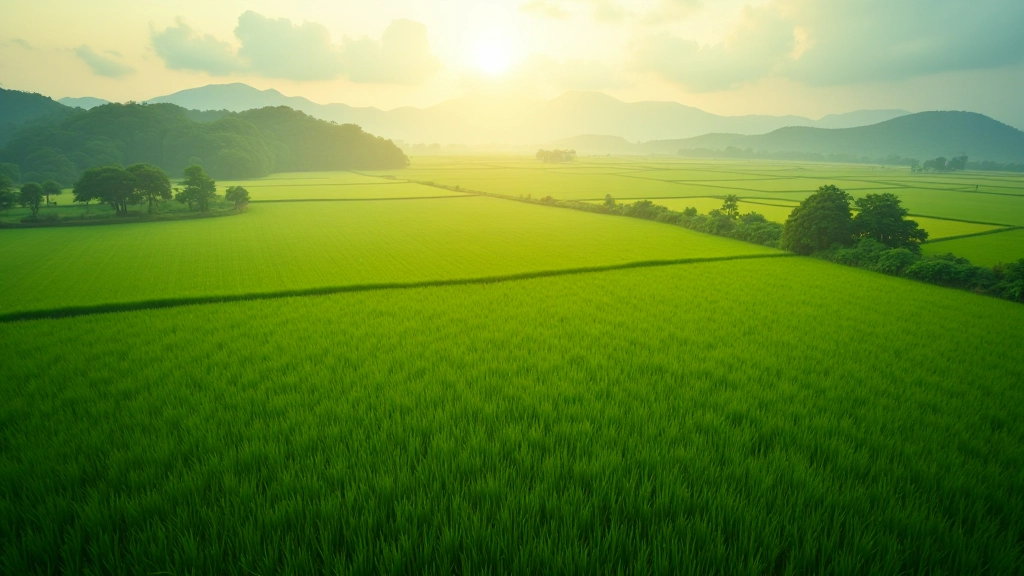
Why Food Security Matters
Malaysia’s agricultural sector faces real challenges and opportunities. Here’s what you need to understand.
Rice Self-Sufficiency
Malaysia currently produces about 70% of its rice needs. We break down government targets and the farming techniques driving production increases.
Fishery Production
Coastal and aquaculture fishing contributes significantly to protein supply. We examine current output and sustainable practices shaping the industry.
Supply Chain Modernisation
From farm to market, technology is changing how food moves. We explore infrastructure investments and logistics improvements across the value chain.
Commodity Price Impact
Price fluctuations affect rural income directly. We analyse market dynamics and how farmers navigate volatility in global commodity markets.
Featured Guides
Agriculture and Food Security in Malaysia
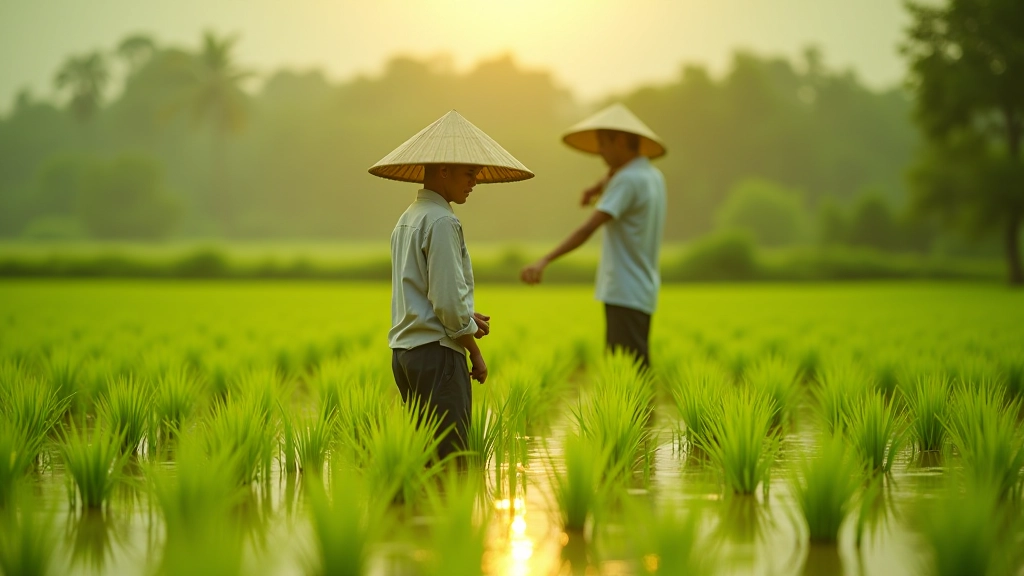
Paddy Rice Self-Sufficiency: Malaysia’s Production Goals
Malaysia targets higher rice self-sufficiency through improved farming techniques and irrigation systems. We examine current production levels and what’s needed to reach government goals.
Read Guide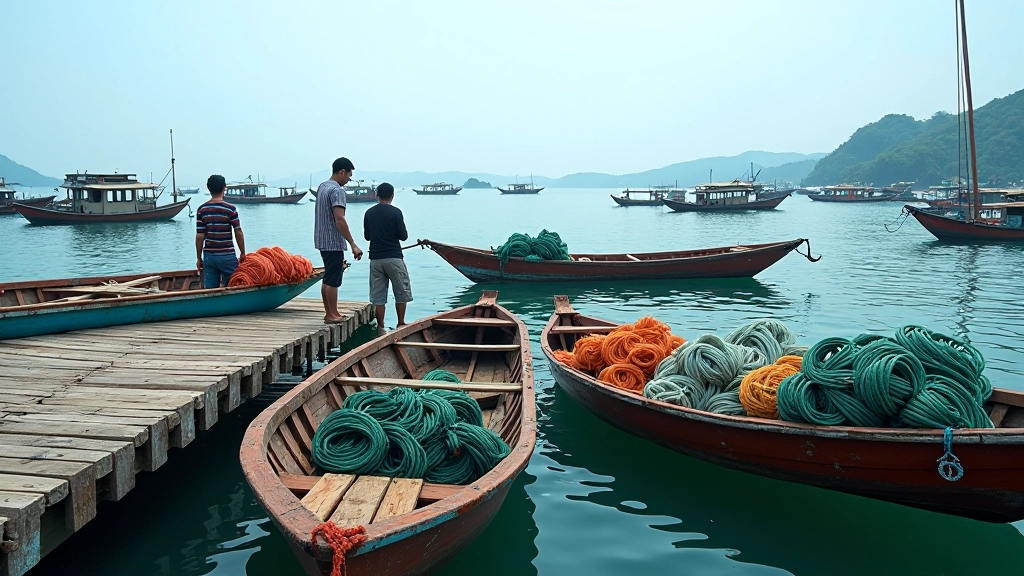
Fishery Production Output and Coastal Development
Malaysia’s fisheries contribute significantly to national food security. We break down current production figures, sustainable practices, and investment in fishing infrastructure.
Read Guide
Agri-Food Value Chain Modernisation Initiatives
Technology and infrastructure improvements are transforming how Malaysia’s food moves from farms to markets. We explore supply chain innovations and modernization projects.
Read GuideThe Current Landscape
Key figures shaping Malaysia’s agricultural sector right now
Malaysia currently produces about 70% of its rice needs domestically, with targets to increase self-sufficiency further.
Agricultural land dedicated to various crops, including rice, palm, rubber, and vegetables across the nation.
Malaysia’s combined marine and aquaculture fishery production contributes substantially to regional food security.
Agriculture and agri-food sectors account for approximately 12% of Malaysia’s gross domestic product.
How Food Gets to Your Table
Understanding Malaysia’s agri-food value chain from production through modernisation efforts
Production
Farmers grow rice, fish are harvested from coastal and aquaculture operations. Production levels are influenced by weather, technology, and government support programs.
Processing & Storage
Products move to modern warehouses and processing facilities. Improvements in cold chain logistics and storage technology reduce waste and maintain quality.
Distribution
Supply chains connect producers to wholesalers, retailers, and consumers. Modernisation initiatives improve efficiency and reduce costs along distribution networks.
Market & Pricing
Commodity prices fluctuate based on supply, demand, and global markets. These changes directly impact rural incomes and agricultural sustainability.
Key Insights
What’s happening in Malaysia’s agricultural sector
Self-Sufficiency Targets
Government initiatives aim to boost rice self-sufficiency from 70% toward 80-90%. This involves irrigation improvements, mechanisation, and better farming practices in major rice-growing states.
Sustainable Fisheries
Malaysia’s fishing industry is balancing production growth with sustainability. Regulations on catch limits, seasonal closures, and aquaculture expansion help protect marine resources.
Digital Transformation
Smart farming technologies, blockchain for supply chain transparency, and e-commerce platforms are modernising how food reaches consumers across the country.
Rural Income Stability
Price volatility in global commodity markets affects farmer incomes directly. Support programs and market stabilisation mechanisms help protect rural livelihoods.
Why This Matters
Malaysia’s agricultural sector isn’t just about farming—it’s about feeding a nation, supporting rural communities, and building economic resilience.
With a growing population and changing climate patterns, food security has become increasingly important. The government’s push for higher rice self-sufficiency, investment in fisheries, and modernisation of supply chains all point toward building a more resilient food system.
We break down what’s actually happening in paddy fields, fishing ports, and distribution centers. We look at the economics that shape rural incomes and the practical challenges farmers and fishers face daily. This isn’t theoretical—it’s the real story of how Malaysia feeds itself.
Explore Full Topics
Ready to Learn More?
We’ve got comprehensive guides covering paddy rice targets, fishery production, value chain modernisation, and commodity price impacts. Get started with our featured topics or reach out with questions.