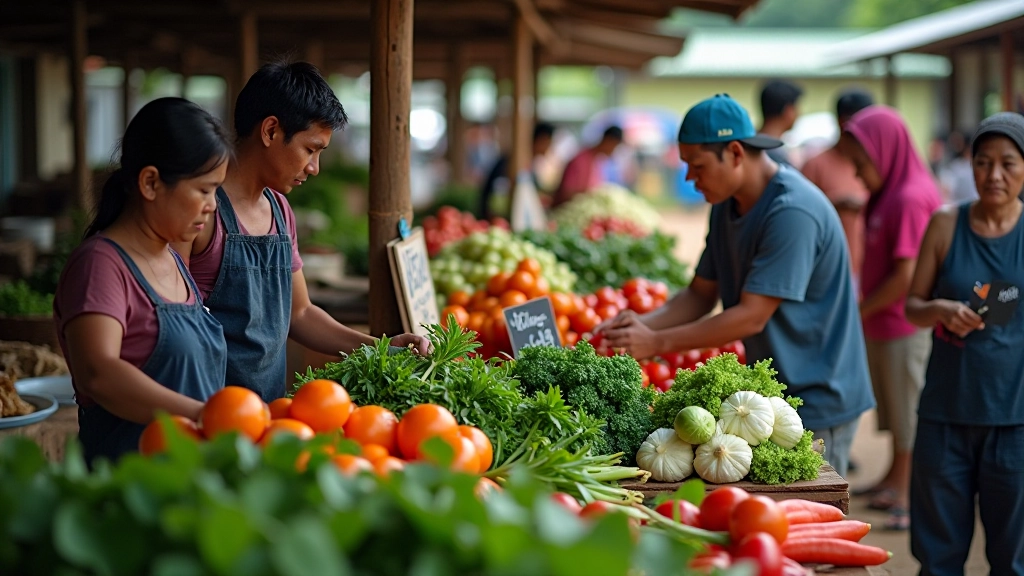
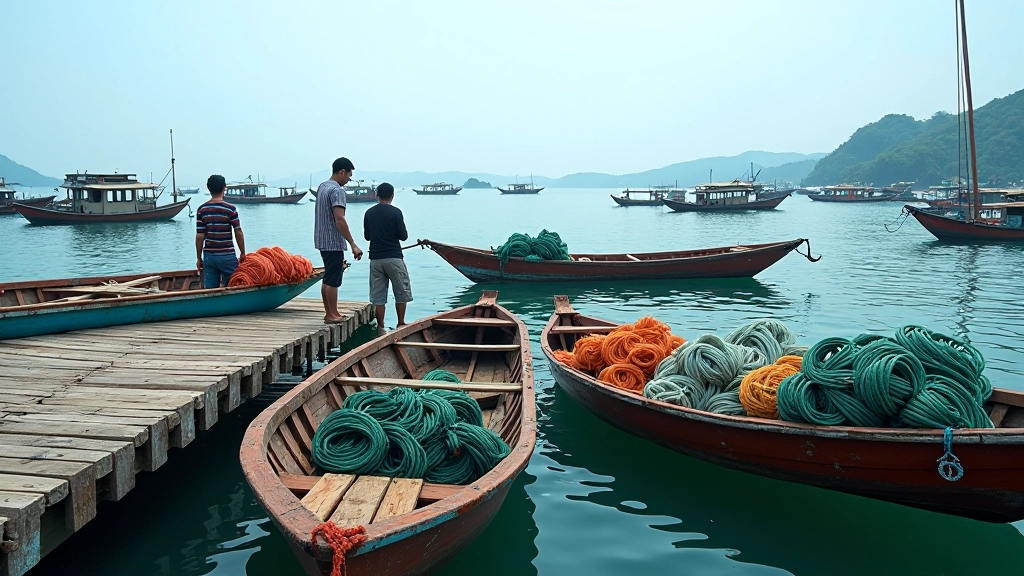
Fishery Production Output and Coastal Development
Malaysia’s fisheries contribute significantly to national food security. We break down production trends and coastal development initiatives.
Read MoreMalaysia’s rice farming sector is modernizing to meet national self-sufficiency targets. We’ll break down current production levels, the infrastructure investments underway, and what farmers need to achieve government goals.
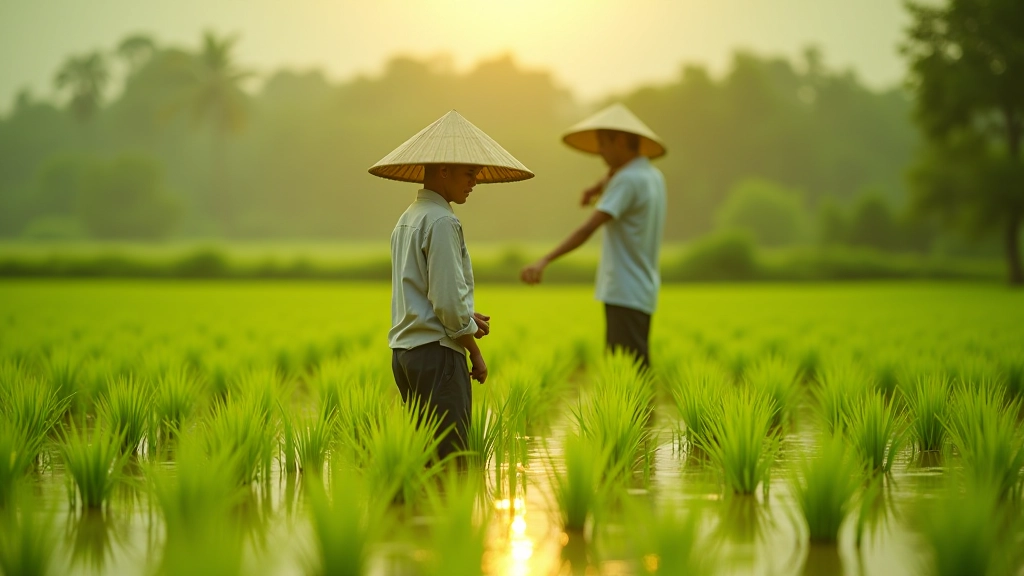
Rice isn’t just another crop in Malaysia — it’s fundamental to food security and rural livelihoods. The country currently produces around 70% of its rice needs domestically, which means roughly 30% relies on imports. That gap represents both vulnerability and opportunity.
The government’s ambitious goal is to reach 90% self-sufficiency by 2030. We’re talking about increasing annual production from roughly 2.7 million tonnes to over 3.5 million tonnes. It’s a significant challenge, but it’s not impossible. The pieces are there — better irrigation systems, improved seed varieties, modern farming techniques. What’s needed now is coordinated effort across farms, research institutions, and policy makers.
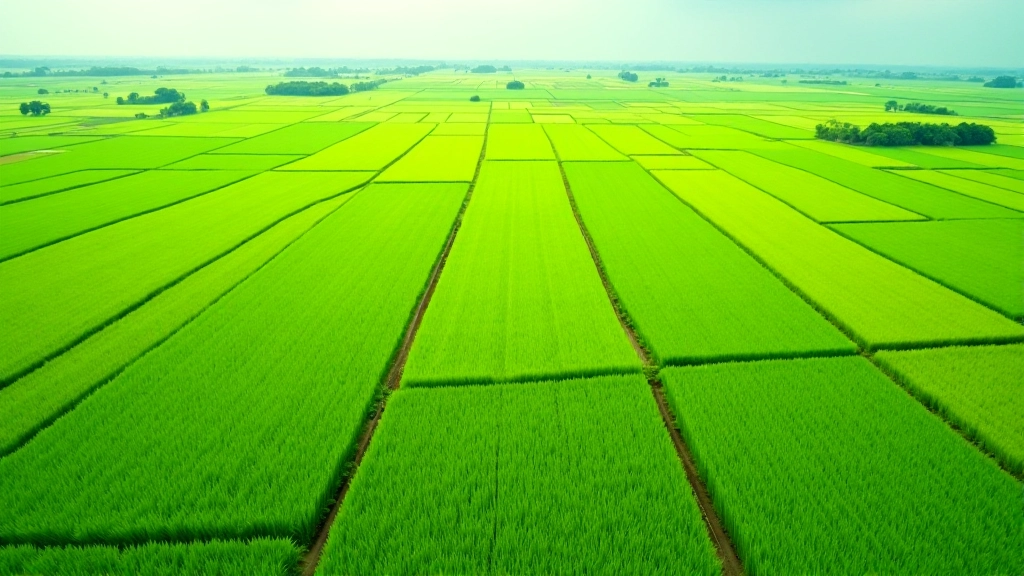
Malaysia’s rice output has been relatively stable over the past decade, hovering around 2.7 million tonnes annually. The main rice-growing regions — Kedah, Perlis, Terengganu, and Selangor — contribute about 80% of this production. These aren’t small operations either. We’re talking about roughly 120,000 registered rice farmers managing over 680,000 hectares of land.
The challenge isn’t lack of farmland. It’s productivity per hectare. Right now, average yields sit around 4 tonnes per hectare. That’s respectable by regional standards, but it’s not maximized. Countries like Vietnam and Thailand — direct competitors in Southeast Asian markets — are pushing yields closer to 5-6 tonnes per hectare. That’s where the gap lies. Higher yields mean more rice from existing land, less need for expansion.

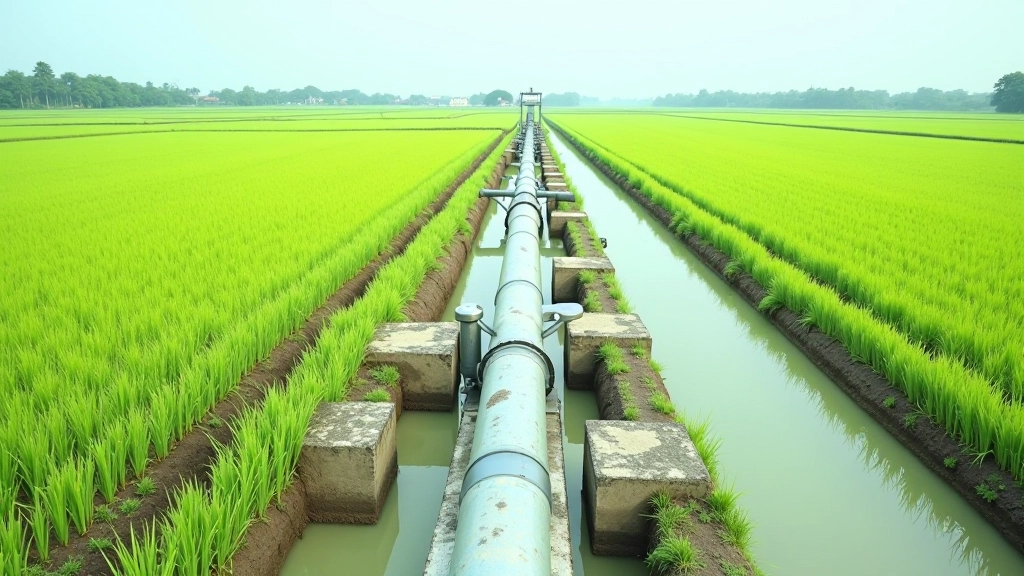
Water management is everything in rice farming. You can’t control weather, but you can control irrigation. Malaysia’s invested heavily in modernizing water infrastructure over the past five years. The Muda Agricultural Development Authority (MADA) alone manages irrigation for over 150,000 hectares in Kedah and Perlis. They’re upgrading from surface channels to pressurized systems that reduce water waste from 40% down to under 15%.
New irrigation systems aren’t the only upgrade. Drainage infrastructure is equally important. Poor drainage causes waterlogging, which kills yields. Several state schemes have invested in complementary drainage systems that work alongside irrigation — basically, farmers get precise water control. Too much water? Drains it out. Too little? Channels it in. That level of precision translates directly to better crops.
Beyond water, there’s mechanization. Many farms still rely on manual labor for planting and harvesting. That’s changing. Combine harvesters, mechanical transplanters, and power tillers are becoming more accessible. When farmers can mechanize labor-intensive tasks, they reduce costs and increase efficiency. It’s a straightforward equation.
Technology and knowledge are converging to boost productivity on Malaysian farms. Here’s what’s actually working on the ground.
Research institutions developed rice varieties that produce 15-20% more grain per plant. Farmers aren’t adopting these fast enough though. There’s resistance to change, which is understandable — you’re experimenting with your livelihood. But the data’s solid. MR220, MR263, and MR269 varieties are proving themselves across different soil types and climate zones.
Alternate Wetting and Drying (AWD) is a method that sounds simple but delivers results. Instead of keeping fields constantly flooded, farmers wet fields for 5-7 days, let them dry slightly, then wet again. This reduces water use by 20-30% while maintaining yields. It also reduces methane emissions, which is a bonus for environmental goals.
Soil testing and balanced fertilization are gaining traction. Instead of applying standard fertilizer rates across all fields, farmers now test soil nutrient levels and apply exactly what’s needed. Reduces costs, boosts yields, and cuts pollution. It requires upfront investment in testing, but payback comes within a season or two.
Farmers are moving away from blanket pesticide applications toward targeted pest management. They’re scouting fields regularly, identifying which pests are actually present, and treating only when economic thresholds are crossed. Reduces chemical use, saves money, and keeps crops healthier overall.
Digital tools are entering rice farming. Drone imagery identifies problem areas in fields. GPS-guided tractors reduce overlap and waste. Soil moisture sensors tell farmers exactly when to irrigate. It’s not sci-fi anymore — it’s happening now on forward-thinking farms.
Knowledge transfer is critical. Agricultural extension officers work directly with farmer groups, demonstrating new techniques on demonstration plots. When farmers see results firsthand on their neighbor’s field, adoption rates jump dramatically. It’s not enough to publish research — you’ve got to show farmers it works.
We can’t ignore the challenges. Reaching 90% self-sufficiency isn’t just about technology — it’s about overcoming structural problems in Malaysia’s rice sector.
First, there’s the economics issue. Rice farming margins are tight. Farmers earn decent income, but they’re not getting rich. Input costs — fuel, fertilizer, seeds — have been climbing. Paddy prices, meanwhile, are regulated to keep consumer prices stable. That squeeze between rising costs and fixed prices makes it hard to justify investment in new techniques. Why spend money on precision agriculture if you’re not confident you’ll earn it back?
Second, labor’s becoming scarce. Young people aren’t staying on family farms. They’re moving to cities for factory work or service jobs. That means an aging farmer population. Mechanization helps, but you can’t fully automate rice farming yet. You need people who understand farming.
Third, climate variability is real. Erratic monsoon patterns, unexpected droughts, and flooding cause yield fluctuations that farmers can’t always control. Climate-smart agriculture practices help manage this, but they’re not a silver bullet.
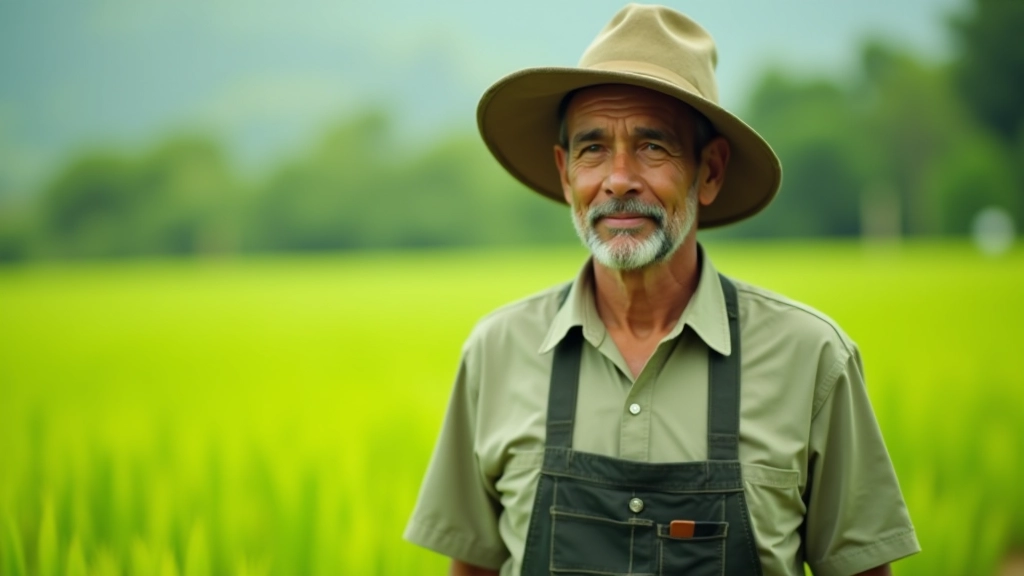
Malaysia’s 90% self-sufficiency target is ambitious but achievable. The infrastructure’s improving, farming techniques are advancing, and there’s genuine commitment from both government and research institutions. But it’ll require sustained effort across multiple fronts.
The real work happens on individual farms. When farmers adopt high-yield varieties, implement water-saving techniques, and use precision tools, yields increase. When irrigation systems are modernized and drainage is improved, productivity jumps. When extension services connect research to practice, adoption accelerates.
Food security isn’t abstract — it’s about having reliable domestic rice production that meets national needs. For Malaysia’s rice sector, that means incrementally improving yields across hundreds of thousands of hectares. It’s not glamorous work, but it’s essential work. And it’s happening right now, farm by farm, season by season.
Learn more about Malaysia’s agricultural transformation and food security initiatives.
View Agriculture ResourcesThis article presents information about Malaysia’s rice production sector and self-sufficiency goals based on publicly available data and agricultural research. The information is intended for educational purposes to help readers understand current production levels, farming techniques, and policy objectives.
Production figures, yield data, and timelines are based on official reports and research publications as of March 2026. Agricultural conditions, policy priorities, and market dynamics change over time. For specific guidance on farming practices, investment decisions, or agricultural policy, consult directly with agricultural extension services, local authorities, or qualified agricultural professionals in your region.