
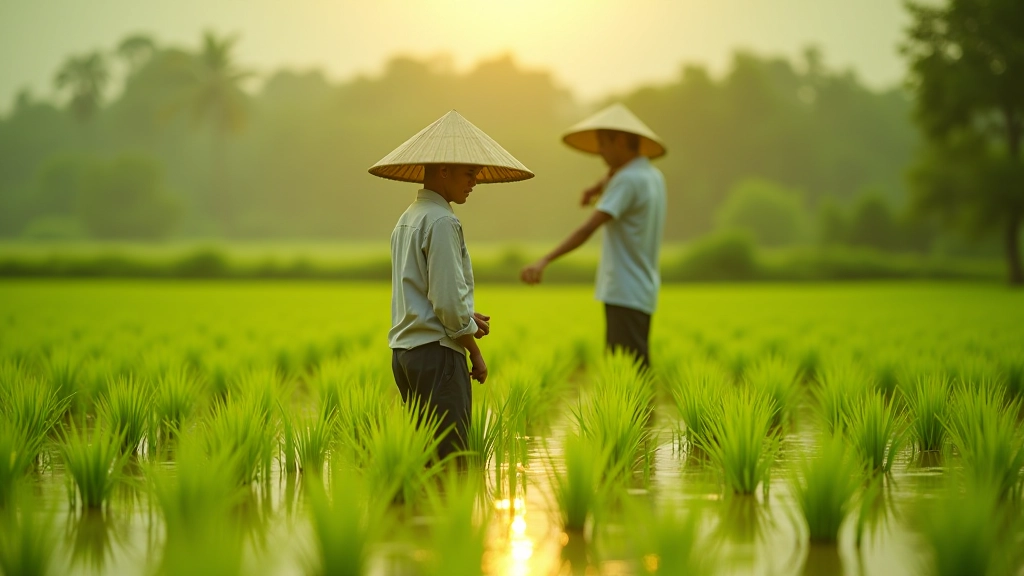
Paddy Rice Self-Sufficiency: Malaysia’s Production Goals
Malaysia targets higher rice self-sufficiency through improved farming techniques and land optimization strategies across the peninsula.
Read ArticleUnderstanding Malaysia’s maritime resources and sustainable fishing practices shaping food security
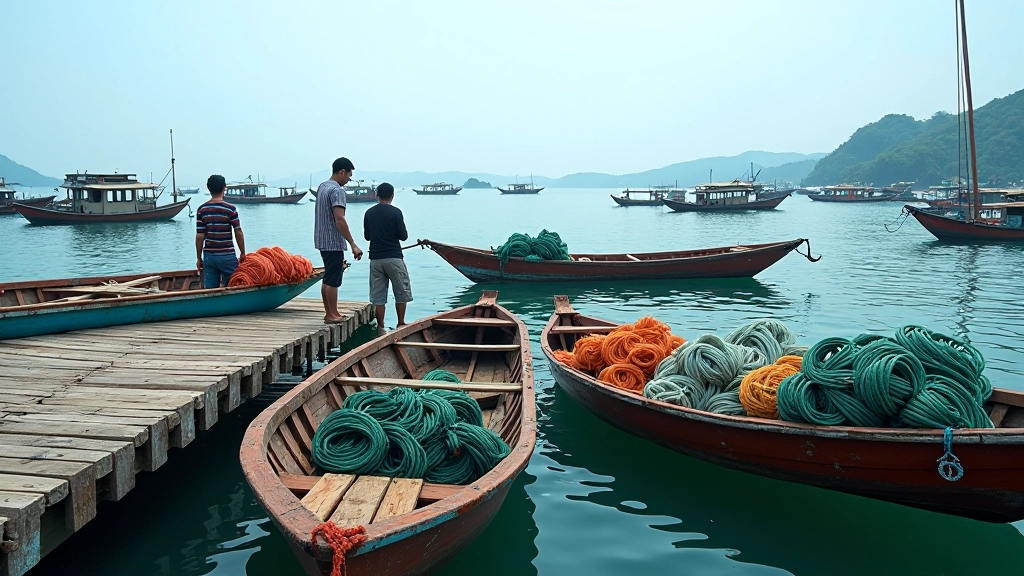
Malaysia’s fishing industry isn’t just about catching fish. It’s a critical pillar of national food security, rural employment, and economic growth. We’re talking about an industry that employs over 200,000 people directly and supports coastal communities across Peninsular Malaysia, Sabah, and Sarawak.
The country has one of Southeast Asia’s richest marine resources. With access to both the Straits of Malacca and the South China Sea, Malaysian waters produce diverse species — from grouper and snapper to shrimp and squid. But here’s what matters: sustainable production and smart coastal development are becoming increasingly essential as demand grows and marine ecosystems face pressure.
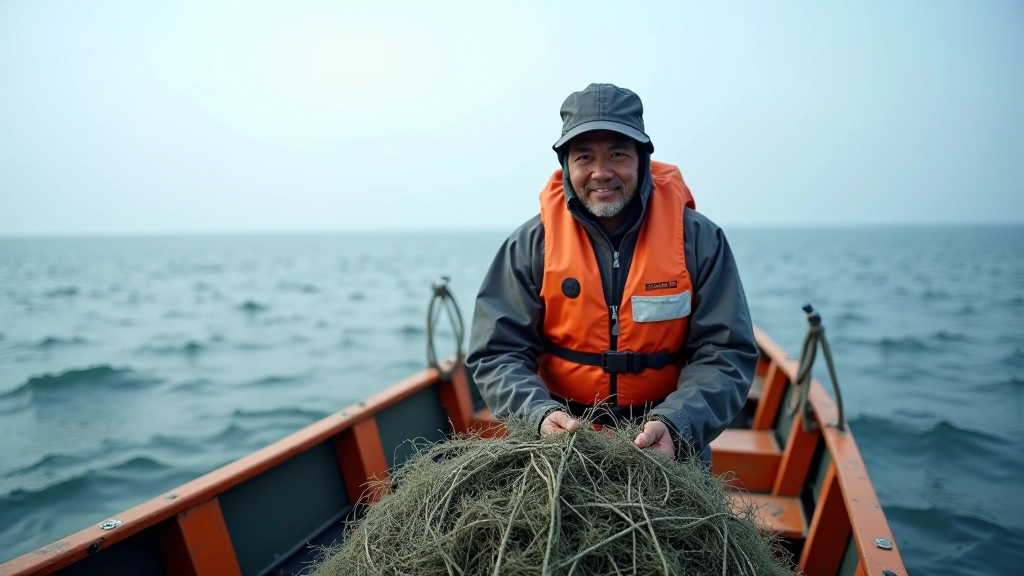
Let’s look at the numbers. Malaysia’s total fish production reached approximately 1.7 million tonnes annually in recent years, combining both capture fisheries and aquaculture. That’s substantial — and it’s growing.
Marine capture fisheries account for roughly 70% of this output, with inland and aquaculture making up the remainder. The industry generates around RM 15 billion in value annually. But it’s not just about volume — it’s about what these fish feed the nation. Per capita fish consumption in Malaysia sits around 53 kg annually, making seafood a dietary staple.
Key Insight: About 85% of Malaysia’s fish production is for domestic consumption, ensuring food security across urban and rural populations. The remaining 15% enters export markets, generating valuable foreign exchange.
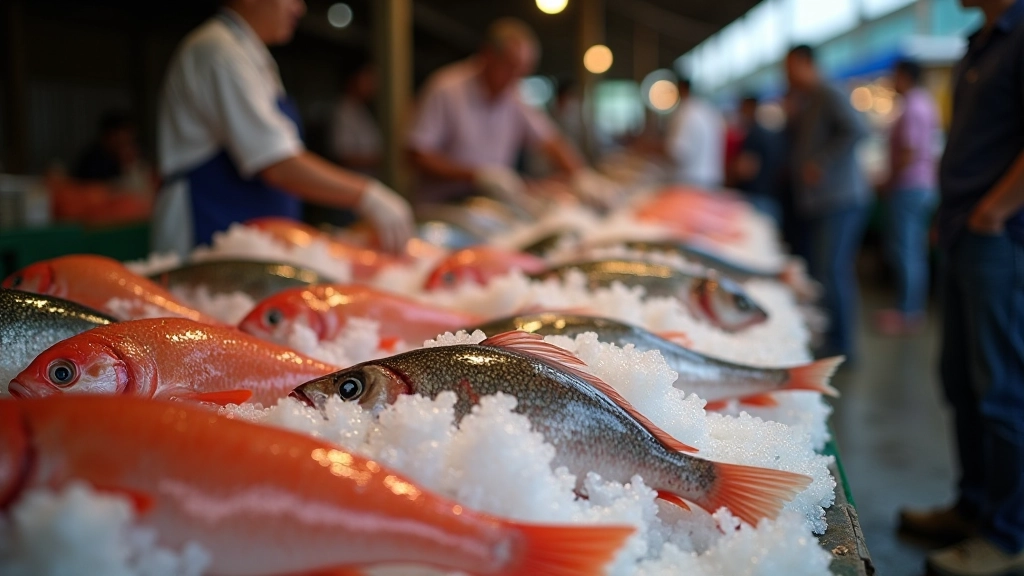
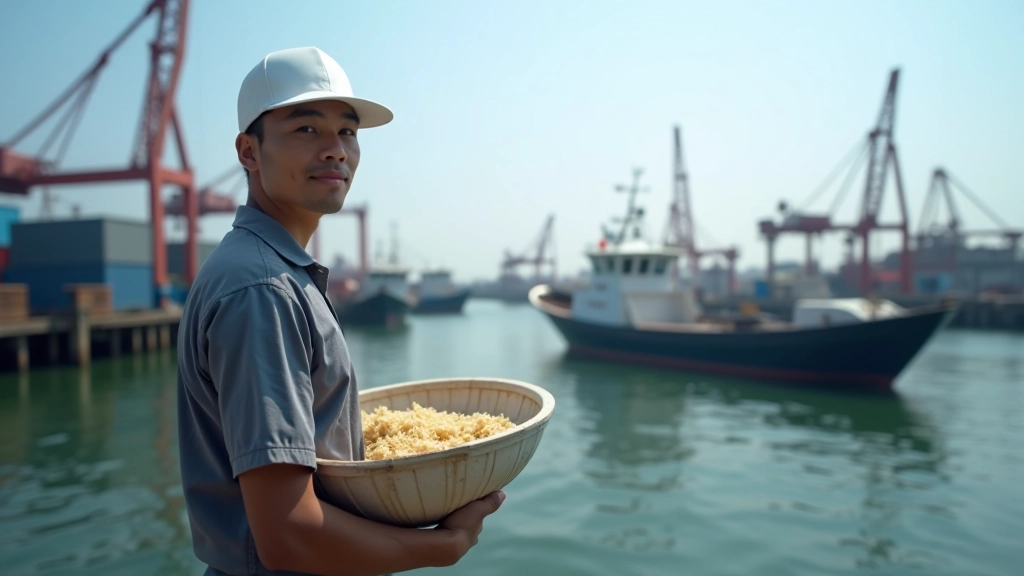
Sustainable fishing requires solid infrastructure. Malaysia’s invested heavily in this. There are now 89 fish landing sites spread across the country, equipped with ice-making facilities, cold storage, and processing centers. These aren’t small operations — they’re designed to handle thousands of tonnes daily.
Port development matters because speed counts. Fish deteriorates quickly. Modern cold chains — from boat to market in hours, not days — preserve quality and reduce waste. We’ve seen significant upgrades at major ports like Port Klang and Port of Penang, where fishing vessels offload catches to temperature-controlled facilities.
Beyond physical infrastructure, coastal communities are getting support through training programs. Fishermen learn about newer technologies, safety equipment, and sustainable practices. It’s not just about catching more — it’s about catching smarter.
Malaysia’s facing real pressure to balance production with sustainability. The Department of Fisheries has implemented several measures, though challenges remain.
Fishing licenses now require vessels to use selective gear and follow seasonal closures. Trawl bans in certain zones protect spawning grounds and juvenile fish populations.
Fish farming in cages and ponds reduces pressure on wild stocks. Malaysia’s aquaculture sector grows about 8-10% annually, producing grouper, tilapia, and shrimp.
Regular fish stock assessments guide catch limits. Scientists track species populations quarterly, adjusting recommendations based on actual biomass data.
No-take zones around coral reefs and mangroves allow ecosystems to recover. These reserves also serve as breeding grounds, supporting long-term productivity.
Let’s be honest about the obstacles. Overfishing remains a concern despite regulations. Illegal, unreported, and unregulated (IUU) fishing still happens — foreign vessels operating in Malaysian waters without permission. It’s estimated that IUU fishing costs Malaysia around RM 500 million annually in lost resources.
Climate change is another factor. Rising sea temperatures, changing current patterns, and shifting fish migration routes make traditional fishing grounds less predictable. Fishermen in some regions report catching different species than they did 20 years ago.
Infrastructure aging in some areas needs attention. Older landing sites lack modern cold storage. Processing equipment at some facilities is 15-20 years old. Investment in upgrading these facilities would reduce post-harvest losses, currently estimated at 8-12% of the catch.
The future direction is becoming clearer. Malaysia’s targeting several goals over the next 5-10 years:
GPS-equipped vessels, sonar systems, and electronic logbooks help track catches and prevent IUU fishing. Real-time data sharing between boats and fisheries authorities improves compliance.
Training programs for fishermen on sustainable methods, safety, and business skills are expanding. Youth engagement programs aim to attract younger generations to the profession — it’s not just an aging workforce issue.
Processing facilities are being upgraded to produce value-added products — canned fish, fish paste, dried varieties — rather than just selling raw catch. This increases margins for fishermen and processors.
Export certifications like MSC (Marine Stewardship Council) certification are being pursued. This opens premium markets willing to pay more for sustainably caught fish.

This article provides educational information about Malaysia’s fishery sector and coastal development based on publicly available data and official government sources. The statistics and figures presented reflect recent trends in the industry, though actual numbers may vary depending on the source and reporting period.
This content isn’t intended as professional advice for fishing operations, investment decisions, or policy recommendations. Circumstances vary widely — regulatory environments change, market conditions fluctuate, and environmental conditions differ by region. If you’re involved in fisheries, coastal development, or agricultural policy, consult with relevant government agencies, industry experts, and local authorities who understand your specific situation.
For the most current information on Malaysian fisheries regulations and production figures, visit the Department of Fisheries Malaysia (www.dof.gov.my) or contact your regional fisheries office.