
Commodity Price Impact on Rural Farm Incomes
How market volatility shapes farmer livelihoods and what strategies help stabilize rural incomes across Malaysia’s agricultural sector
Understanding Price Volatility in Agriculture
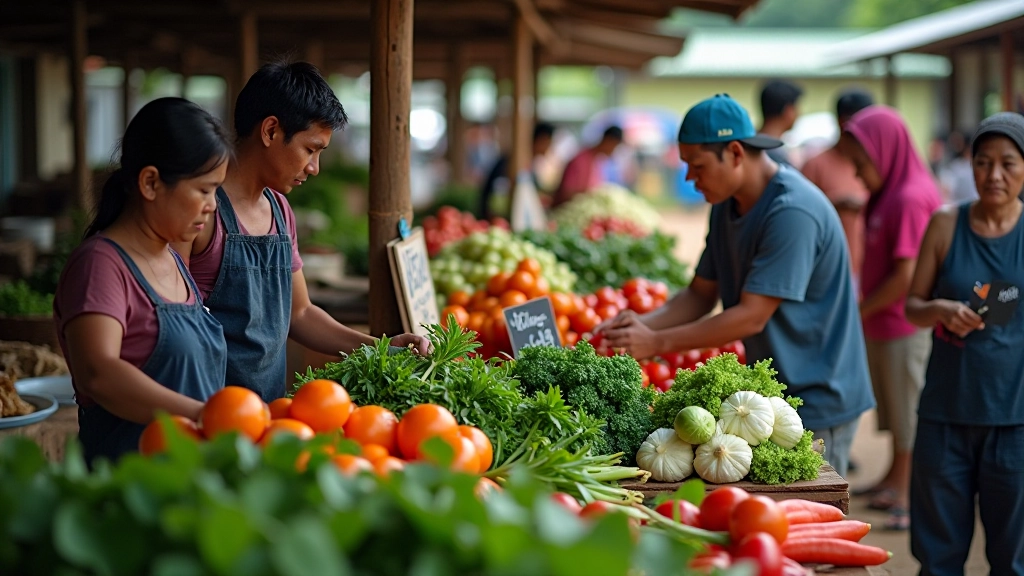
Commodity prices aren’t stable. They fluctuate based on global demand, weather patterns, production volumes, and market speculation. For rural farmers in Malaysia, these price swings directly impact monthly income — sometimes creating surplus in good years, other times forcing difficult choices about what to plant next season.
When paddy rice prices drop 15-20% in a single month, smallholder farmers can’t just absorb the loss. They’re working with tight margins. A price decline means less money for fertilizer, equipment maintenance, or family needs. That’s why understanding these market dynamics isn’t just economic theory — it’s survival for millions of rural households.

Key Factors Driving Commodity Price Changes
Multiple interconnected variables influence what farmers actually earn
Global Supply & Demand
When harvests are strong across major producing countries, prices typically fall. But drought in Southeast Asia or flooding in India can quickly tighten global supplies, pushing prices higher. Malaysian farmers compete in this worldwide market.
Weather & Climate Patterns
Monsoons that arrive late reduce yields. Unexpected flooding destroys crops mid-season. Dry spells stress rice paddies during critical growth phases. These local conditions affect output, which then influences regional pricing within weeks.
Transport & Logistics Costs
Shipping fees, fuel prices, and cold chain infrastructure all affect what farmers receive. When fuel costs spike, transport becomes expensive, which eats into farm-gate prices. Better logistics infrastructure can improve final returns by 5-8%.
Currency Exchange Rates
Malaysia’s agricultural exports are priced in global currencies. When the ringgit strengthens against the dollar, export prices may fall to remain competitive. When it weakens, import costs rise. Both scenarios affect farmer income differently.
Real Impact on Farm Household Income
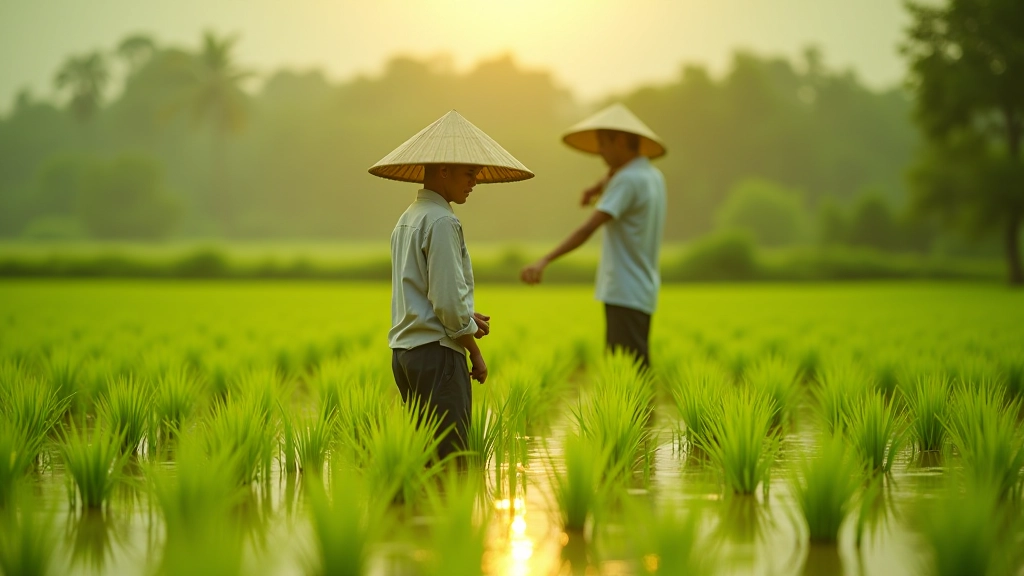
Let’s look at actual numbers. A smallholder rice farmer managing 2-3 hectares might produce 6-8 tonnes per season. When paddy prices sit at RM1,200 per tonne, that’s roughly RM7,200-9,600 gross revenue. But subtract production costs — seeds, fertilizer, labor, water fees — and you’re looking at RM4,000-5,000 net income per season.
Now imagine prices drop to RM900 per tonne. Same effort, same land, but income shrinks to RM2,400-3,000. That’s a loss of RM1,500-2,000 compared to the previous season. For families with tight budgets, this isn’t an inconvenience — it’s a crisis that affects school fees, medical care, and basic necessities.
Diversification helps. Farmers who grow both rice and aquaculture, or rice and vegetables, can offset losses in one commodity with gains in another. But most smallholders specialize due to land constraints and local expertise.
Key reality: Price drops of 20-30% aren’t rare — they happen roughly every 2-3 years. Farmers need strategies beyond hoping for stable prices.
Income Stabilization Strategies for Farmers
Practical approaches to manage price volatility
Cooperative Marketing & Collective Sales
When farmers band together through cooperatives, they have more negotiating power. Instead of selling individually to middlemen at whatever price is offered, cooperatives can access wholesale buyers directly. This typically increases farm-gate prices by 8-15%, reducing the impact of price swings.
Crop Diversification & Rotation
Growing multiple crops spreads income risk. A farmer might plant rice in season one, then vegetables or aquaculture in season two on the same land. When rice prices drop, vegetable income provides stability. This requires knowledge of different crops and local market demand, but it’s proven effective.
Forward Contracts & Price Agreements
Some buyers offer forward contracts where farmers agree to deliver a set quantity at a pre-agreed price months in advance. You’re giving up potential upside if prices spike, but you gain certainty. For farmers with tight cash flow, this certainty is often worth more than gambling on better prices later.
Value Addition & Processing
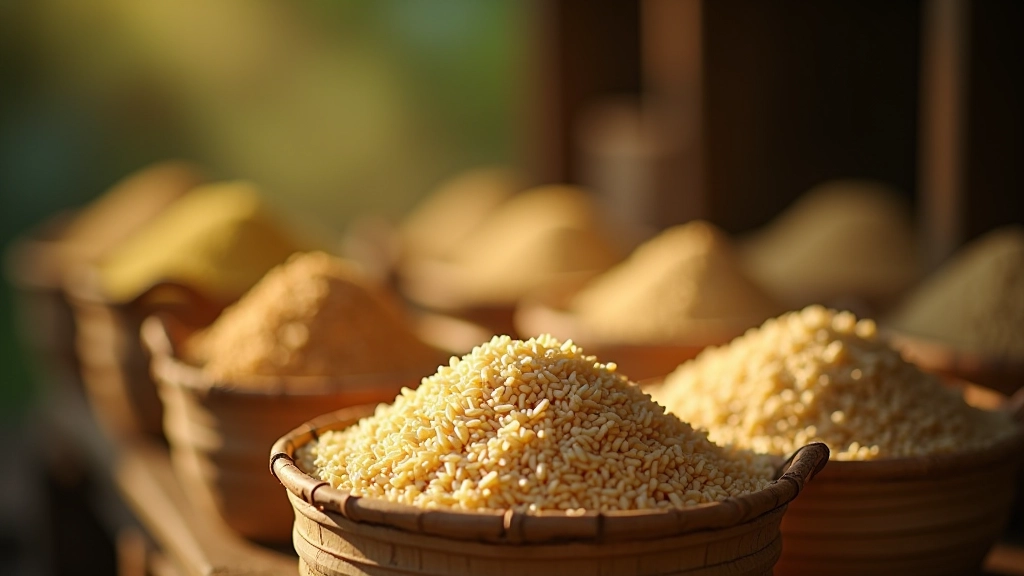
Instead of selling raw paddy rice, farmers who invest in small-scale milling or processing equipment can sell higher-margin products. A farmer selling milled rice gets 20-30% more per kg than selling unmilled paddy. It requires upfront investment, but margins improve significantly.

Government Support & Market Infrastructure
Malaysia’s government recognizes that stable farm income supports rural development and food security. Several initiatives address price volatility:
- Price Floor Programs: During severe price crashes, government sometimes establishes minimum purchase prices to prevent income collapse. This acts as a safety net, though it’s typically used for paddy rice rather than other commodities.
- Subsidized Insurance: Agricultural insurance products help farmers recover from crop failures, reducing desperation sales at low prices when harvests are poor.
- Market Information Systems: Real-time price data helps farmers understand market conditions and time their sales better. When you know that prices typically spike in certain months, you can plan storage and sales accordingly.
- Training & Extension Services: Government extension officers teach improved farming techniques that increase yields, helping farmers earn more even when prices are lower.
Moving Forward: Income Resilience in Volatile Markets
Commodity price volatility isn’t going away. Global markets will continue fluctuating based on weather, politics, currency movements, and supply shocks. The question isn’t whether prices will drop — it’s whether farmers are prepared when they do.
The most successful rural farmers aren’t waiting for perfect conditions. They’re diversifying income sources, joining cooperatives for better market access, investing in basic processing to add value, and using forward contracts strategically. Some are moving into higher-value crops like specialty vegetables or aquaculture where prices are more stable.
Government support matters too — price floors, insurance programs, and market information reduce the worst impacts of volatility. But ultimately, farmer resilience depends on having options and knowledge. That’s what transforms a price drop from a crisis into a manageable challenge.
“The farmers who survive price swings aren’t the ones with the biggest farms. They’re the ones who’ve thought ahead, planned for uncertainty, and built multiple income streams. That’s not luck — it’s strategy.”
— Agricultural economist, rural development sector
Related Articles


Disclaimer
This article provides educational information about commodity price dynamics and agricultural income patterns. The figures, strategies, and examples discussed are based on general agricultural practices and market conditions in Malaysia. Actual farm income, commodity prices, and outcomes vary significantly depending on location, farm size, crop type, market conditions, and individual farmer circumstances. This content isn’t financial or agricultural advice. Farmers should consult with local agricultural extension officers, agronomists, and market specialists before making significant farming decisions or income strategy changes. Government programs and support mechanisms mentioned are subject to policy changes and may vary by region or season.